

Introduction to Trading Tools
Trading in today’s fast-paced financial markets requires more than intuition or luck. Modern traders rely on a wide range of key trading tools to analyse market behaviour, manage risk, and make informed decisions. From real-time data feeds to advanced charting software, the right tools can significantly influence trading outcomes.
Whether you are a beginner or an experienced participant, understanding trading tools for beginners and more advanced solutions is essential to building consistency. Many traders choose to learn and apply these tools in structured, market-focused environments such as KQ Markets, where access to a wide range of financial instruments supports informed, disciplined trading decisions.
Real-Time Market Data and News Sources
Access to real-time market data is one of the most crucial online trading tools available to modern traders. Accurate pricing information enables traders to monitor movements in real time and respond to changing conditions without delay.
News sources play an equally important role. Economic indicators, central bank announcements, geopolitical developments, and corporate updates can all influence market behaviour. Traders who stay informed through reliable, real-time news sources are better equipped to understand sudden price movements than to react emotionally.
Many modern platforms integrate live market data with news feeds, enabling traders to analyse price action while maintaining a broader market context. Mobile access and alerts further ensure traders remain connected to the markets throughout the day.
Charting and Technical Analysis Software
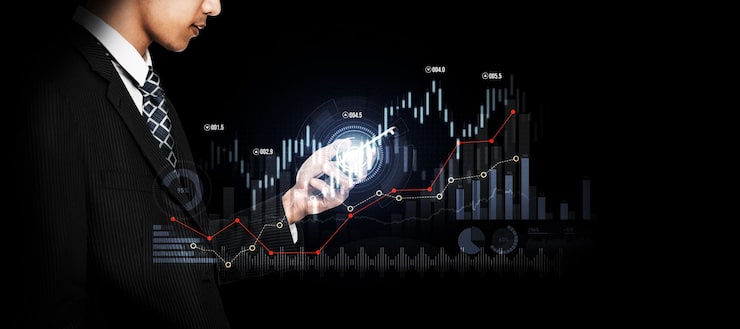
Charting and technical analysis software are essential modern trading tools for studying price behaviour over time. These tools help traders visualise trends, identify potential support and resistance levels, and assess momentum.
Standard features include candlestick charts, moving averages, trend lines, and momentum indicators. These tools do not predict outcomes; instead, they provide structure and context for decision-making.
Such tools are particularly important when analysing highly liquid and fast-moving markets such as the forex market, where prices can react quickly to economic data, interest rate expectations, and global events. Understanding price behaviour in these markets requires clear visualisation and disciplined analysis.
Automated Trading Systems
Automated trading systems are increasingly used by traders seeking to mitigate emotional bias in execution. These systems follow predefined rules to place and manage trades automatically based on market conditions.
One of the key advantages of automation is speed. Automated systems can process large volumes of data and respond to market changes more quickly than manual execution. They also help maintain consistency by adhering to a strategy without deviation due to fear or overconfidence.
While automation can enhance efficiency, it is most effective when combined with proper market understanding and risk controls.
Risk Management Tools
Risk management tools are among the most critical key trading tools for long-term participation in financial markets. Protecting capital is often more crucial than seeking short-term gains.
Standard risk management tools include stop-loss orders, position sizing techniques, and exposure limits. These tools help traders anticipate potential losses and avoid impulsive decisions during volatile conditions.
Diversification across different instruments and markets can also reduce overall risk exposure and smooth performance over time.
Trading Journals and Performance Tracking Software
Trading journals and performance tracking software help traders evaluate their decisions objectively. Recording trades, outcomes, and reasoning provides valuable insight into what works and what does not.
Over time, reviewing this data helps traders identify behavioural patterns, refine strategies, and improve discipline. Performance tracking tools often provide visual reports, making progress more straightforward to measure and analyse.
Educational Resources for Learning Trading Tools
Learning to use trading tools effectively requires ongoing education. Online courses, webinars, tutorials, and written guides help traders understand how different tools function and how they apply to real market conditions.
Books and educational content created by experienced market professionals can also provide valuable practical insights. Community discussions and educational videos further support learning, especially for those new to online trading tools.
Conclusion
Understanding key trading tools is essential for navigating modern financial markets. From real-time data and charting software to automated systems and risk management tools, each plays a role in supporting informed and disciplined decision-making.
By applying these tools thoughtfully and continually learning, traders can improve consistency and reduce emotional decision-making. When used correctly, modern trading tools help traders engage with financial markets in a more structured and responsible manner.
